
HR Dive
DOL final rule revamps antidiscrimination requirements for apprenticeships
The U.S. Department of Labor issued a final rule to rescind “affirmative action requirements” for federally registered apprenticeships, effective Jan. 5.

This dashboard focuses on KFF’s analysis of the role health care costs and other health policy issues played in voters’ decisions in the 2026 midterm elections, including in key Senate races. It examines the role of rising health costs on voters’ decisions, views on the Trump administration’s health care policies, and opinions on the government’s role in health care amid discussions of Medicare for All.
Read ArticleThe U.S. Department of Labor issued a final rule to rescind “affirmative action requirements” for federally registered apprenticeships, effective Jan. 5.

As companies try to offset accelerating costs, employees face higher out-of-pocket expenses and the loss of some generous coverage options, a WTW survey found.
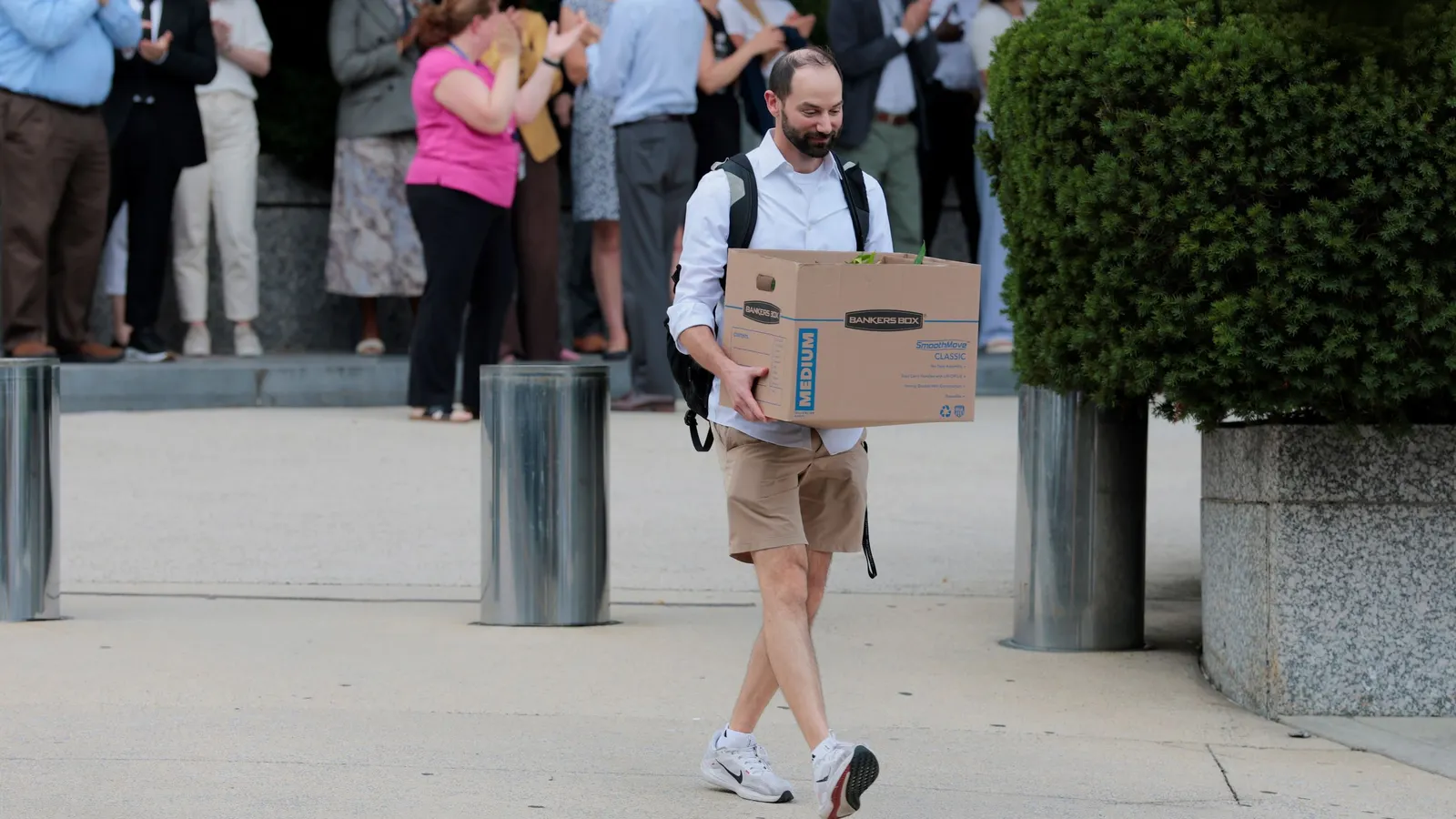
As companies plan payroll reductions, they’re also tightening their belts on severance packages while offering more extensive career transition services.

Employers are replacing workers with artificial intelligence and then calling them back — but employees are demanding more money to return.

Relevant apprenticeship programs span the gamut from information technology to shipbuilding and defense to semiconductor production.

Unresolved issues from previous workplace upheaval may lead to increasingly heavy burdens for employees, a recent study found.

The federal government alleged that HR personnel “exerted pressure on leaders” to remove nonminority employees initially selected for a compensation program and add minority workers.
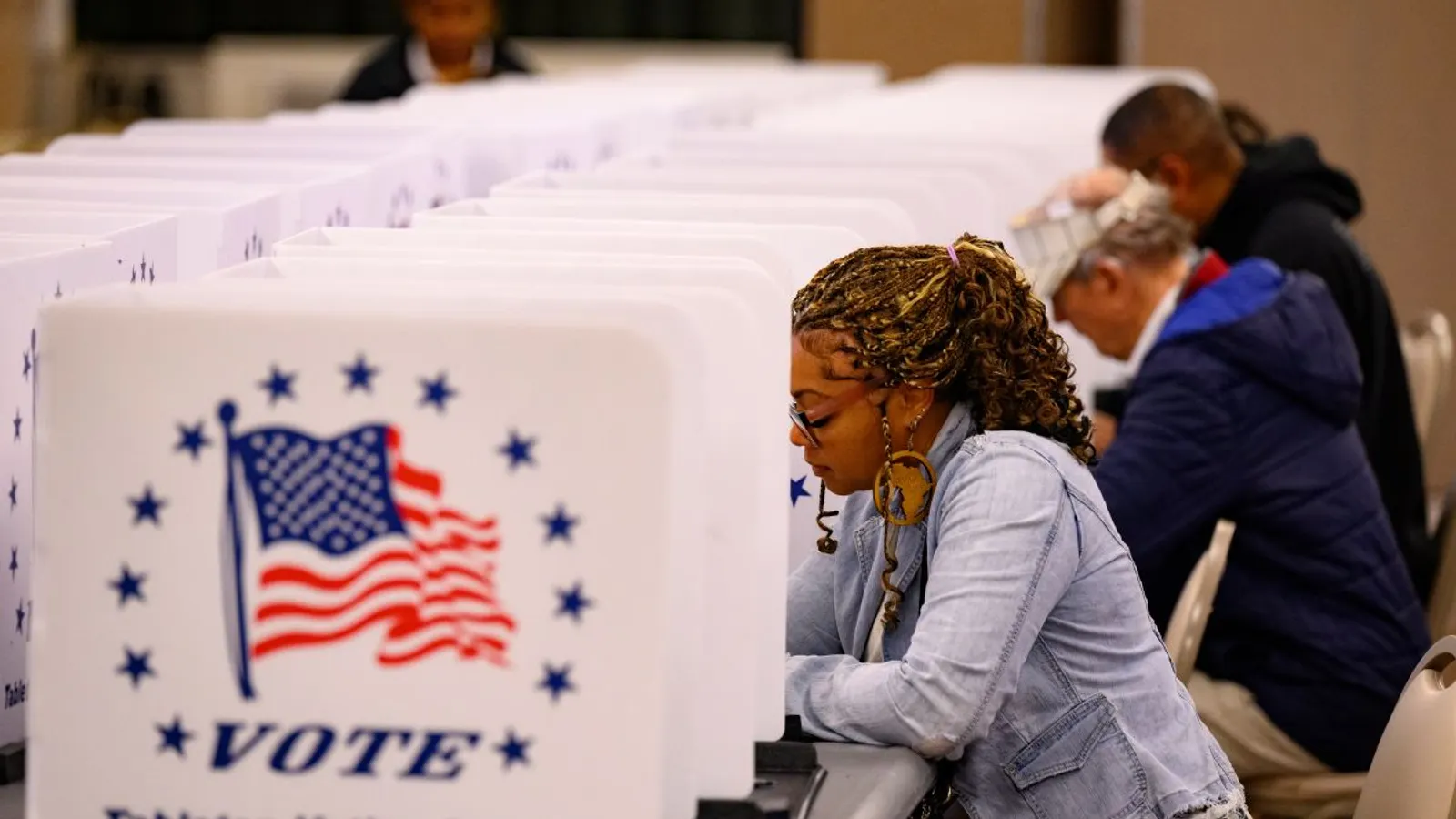
The success of some down-the-ballot measures translates to an even more complicated legal landscape for employers.
The strongest organizations use data as a diagnostic tool by looking for patterns, asking questions and making improvements where needed, one source told HR Dive.

The biggest declines came from hybrid and remote employees at companies that had adopted artificial intelligence, according to the pollster.
This brief examines how the budget reconciliation law expanded access to HSA-eligible plans and accounts on the ACA Marketplaces and what these changes means for enrollees
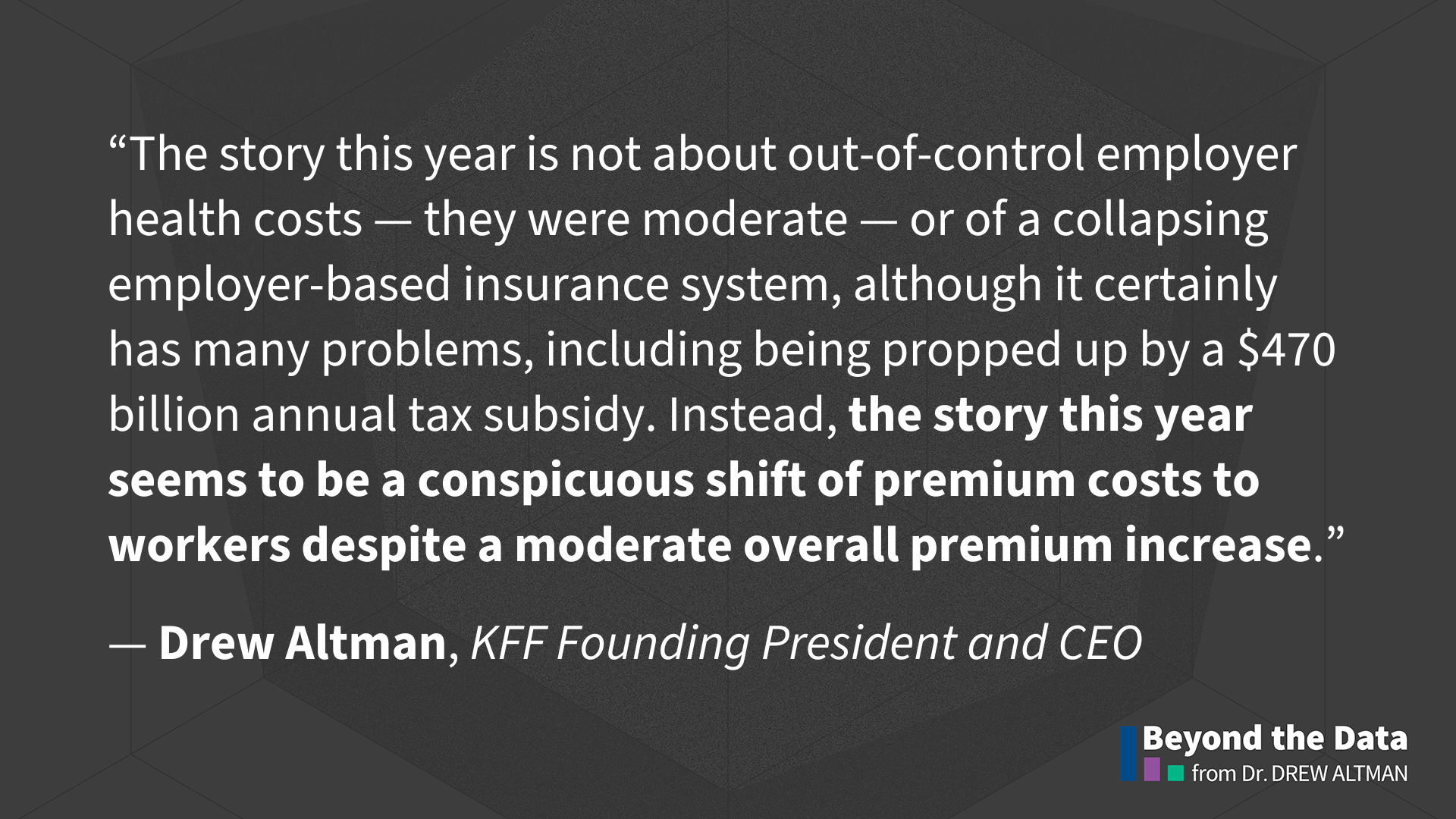
In a new column, President and CEO Dr. Drew Altman dissects the conventional wisdom that employer health costs are “out of control.” He writes that “the story this year is not about out-of-control employer health costs—they were moderate—or of a collapsing employer-based insurance system, although it certainly has many problems, including being propped up by a $470 billion annual tax sub…
Esta calculadora ilustra las primas (el costo mensual de su seguro) y subsidios para las personas que compran seguro médico por su propia cuenta en el mercado de seguros de salud (o de intercambio) creado por la Ley de Cuidado de Salud a Bajo Precio (Affordable Care Act, ACA, en inglés).
The Health Insurance Marketplace Calculator, updated with 2027 premium data, provides estimates of health insurance premiums and subsidies for people purchasing insurance on their own in health insurance exchanges (or “Marketplaces”) created by the Affordable Care Act (ACA).
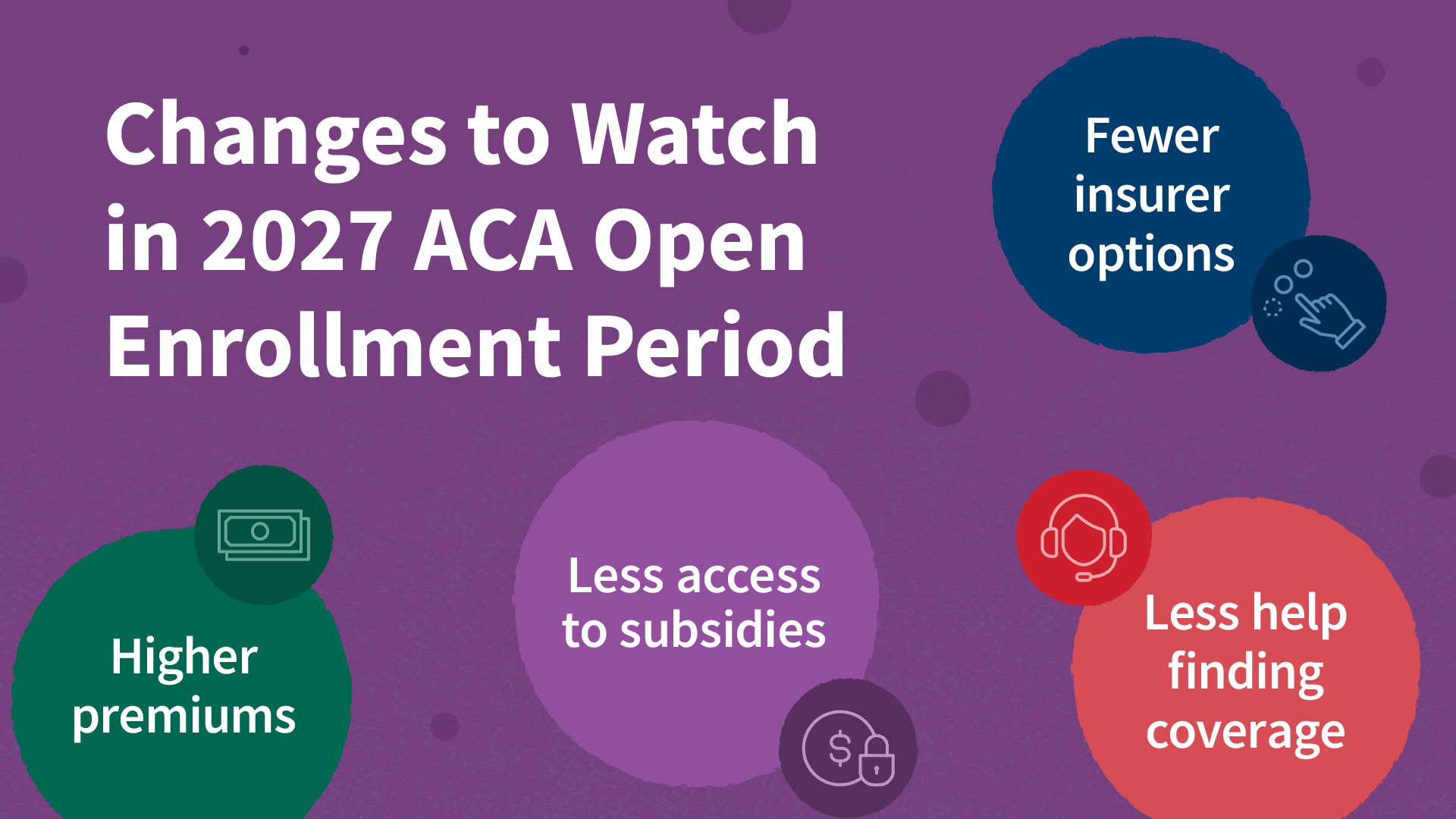
The ACA Marketplace Open Enrollment season began November 1, bringing higher premiums, fewer insurer options in some states as more insurers exit the market, less access to health insurance subsidies, and less help finding coverage following federal actions to address broker fraud—among other changes to watch.
A new KFF analysis finds that the average monthly premium for Medicare Part D coverage in stand-alone prescription drug plans (PDPs) will increase to $51 in 2027, up 50% from $34 in 2026, if current enrollees don’t switch into lower-premium plans during open enrollment, which runs through December 7.
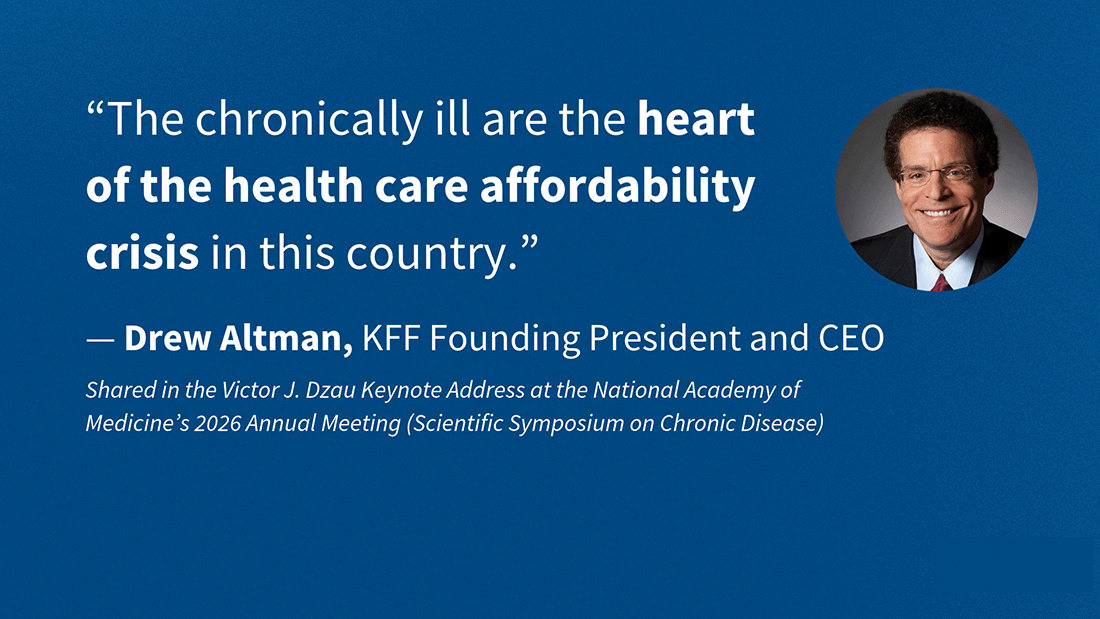
KFF Founding President and CEO Dr. Drew Altman delivered the Victor J. Dzau Keynote Address at the National Academy of Medicine’s 2026 Annual Meeting (Scientific Symposium on Chronic Disease) on October 10, 2026, where he described the big challenges ahead in health policy, and where chronic illness fits.
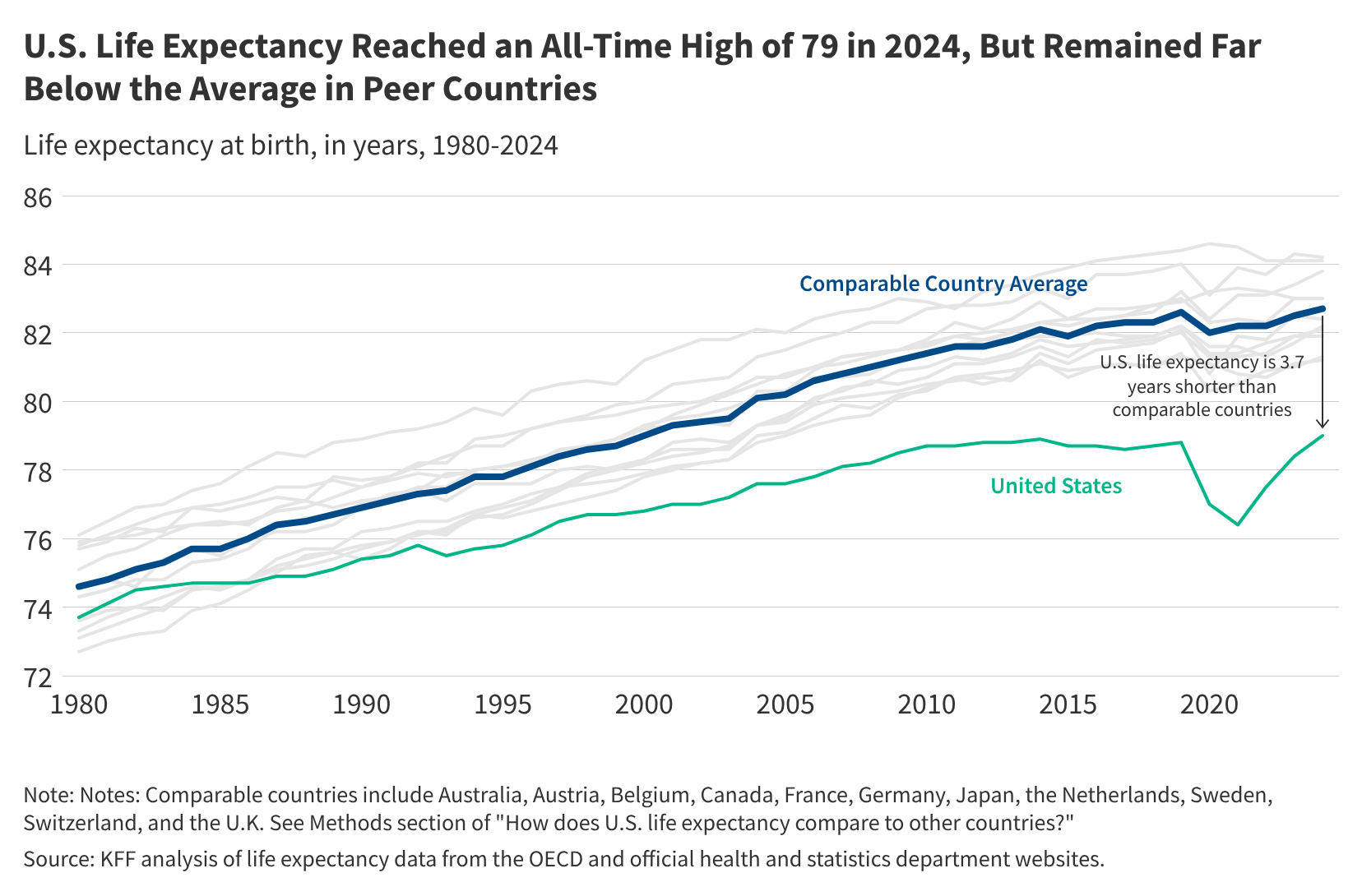
This chart collection compares the United States and other similarly large and wealthy nations across various measures of care quality to show how the U.S. stacks up against its peers and how that has changed over time.
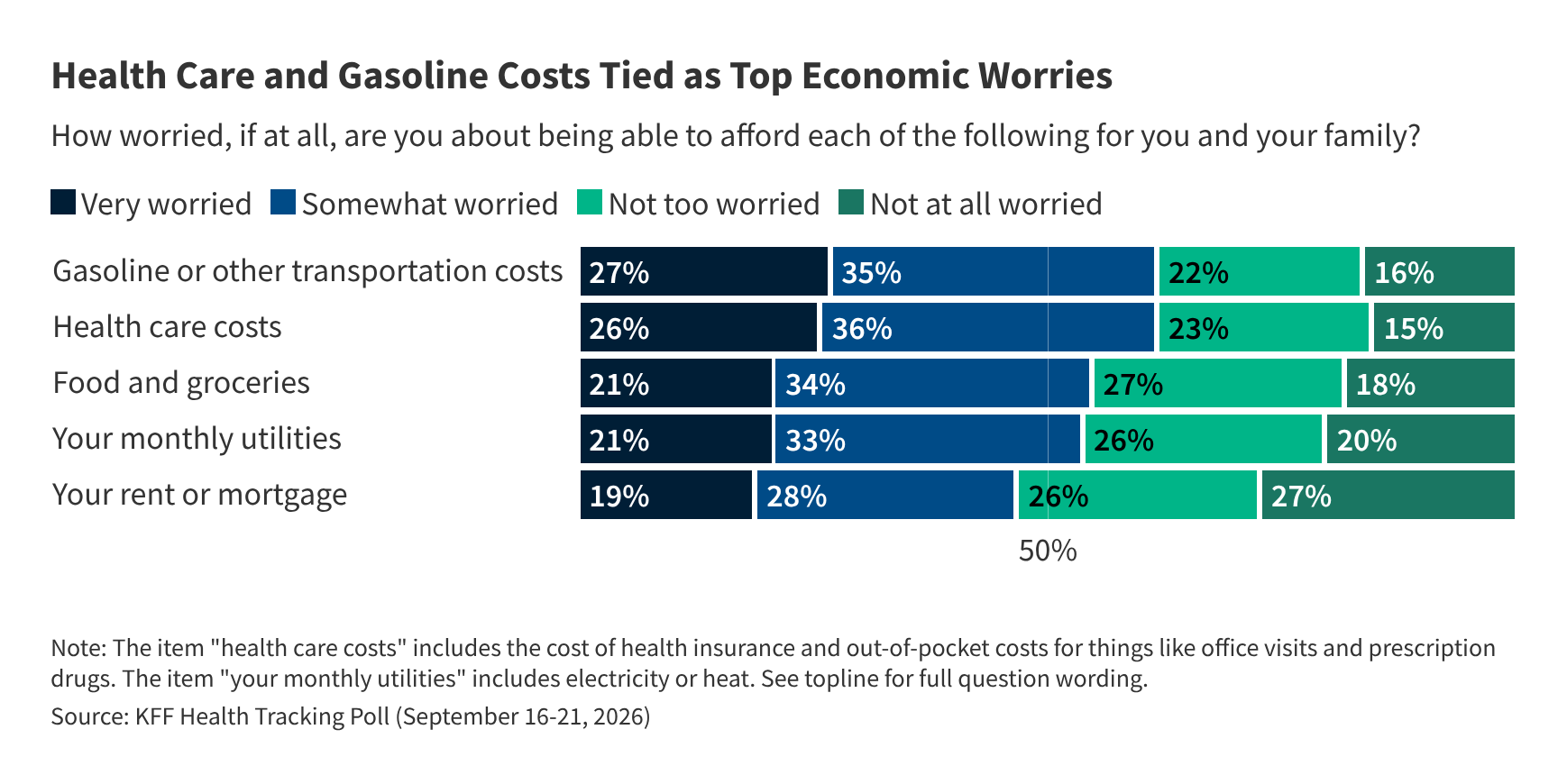
This data note summarizes recent KFF polling on Americans’ experiences with health care costs, which factor into decisions about insurance coverage and care seeking and consistently ranks as a top financial worry for adults and their families.
This analysis examines the $500 checks that the Trump administration is sending to some Affordable Care Act Marketplace enrollees and the user fees that are paying for them. The checks are going to about 1 million enrollees in the 30 states that rely on the federal HealthCare.gov Marketplace who are not receiving any tax credits this year – a small share of the 19.2 million people who we…
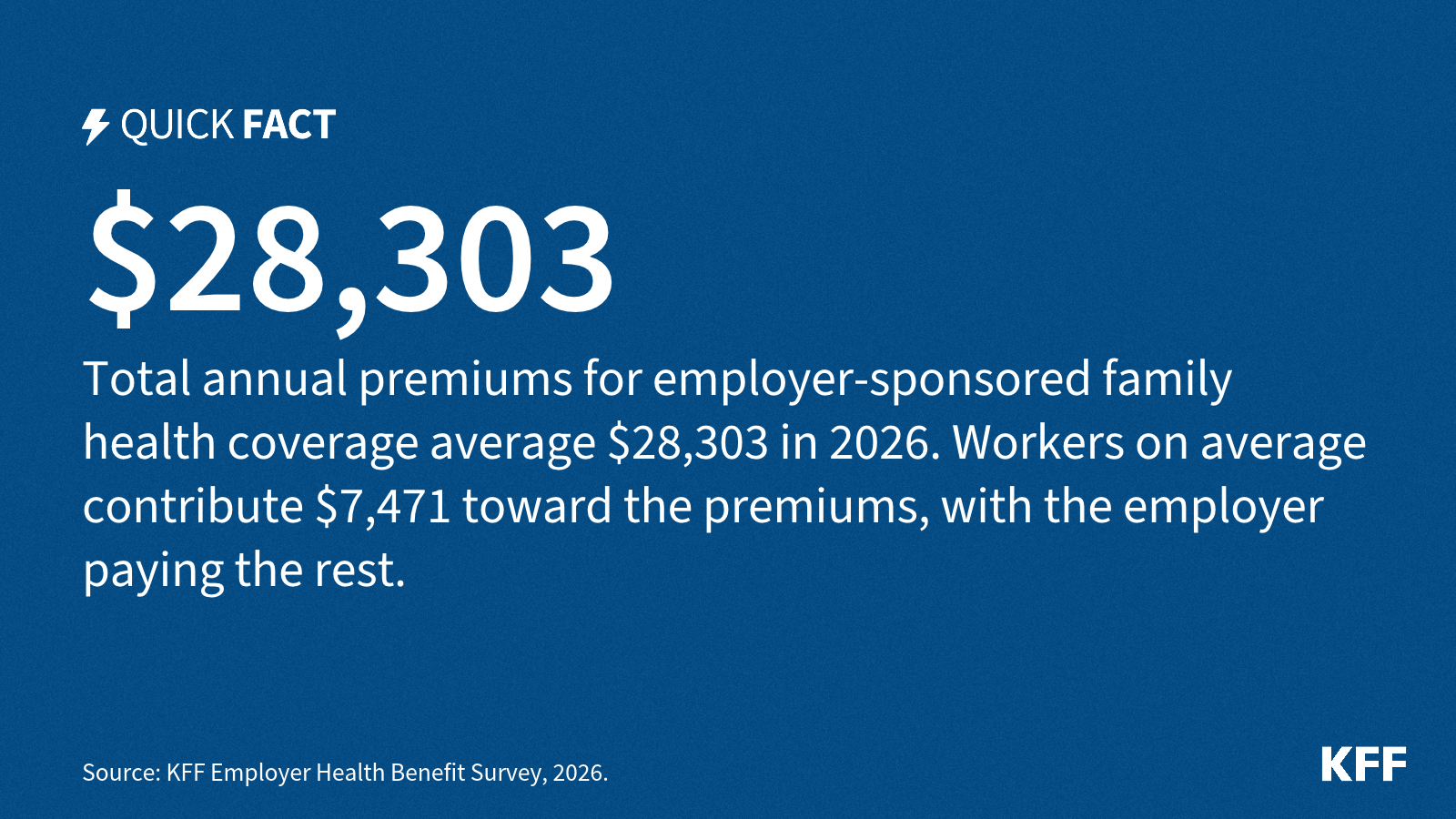
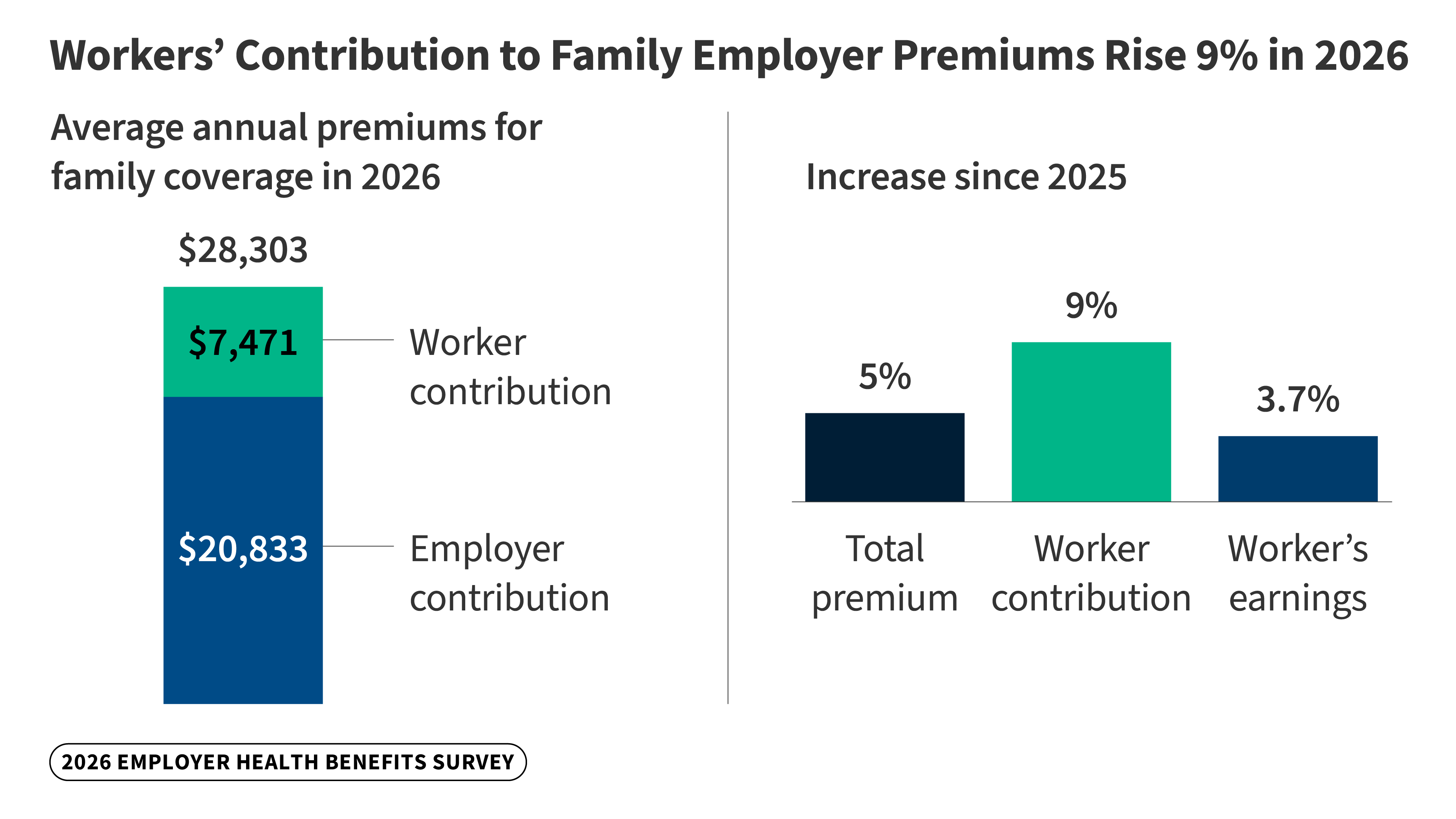
Workers are paying on average $7,471 annually toward the premiums for employer-sponsored family health benefits this year, which is up 9%, or $621, from 2025, according to KFF’s annual benchmark health benefits survey of large and small employers.
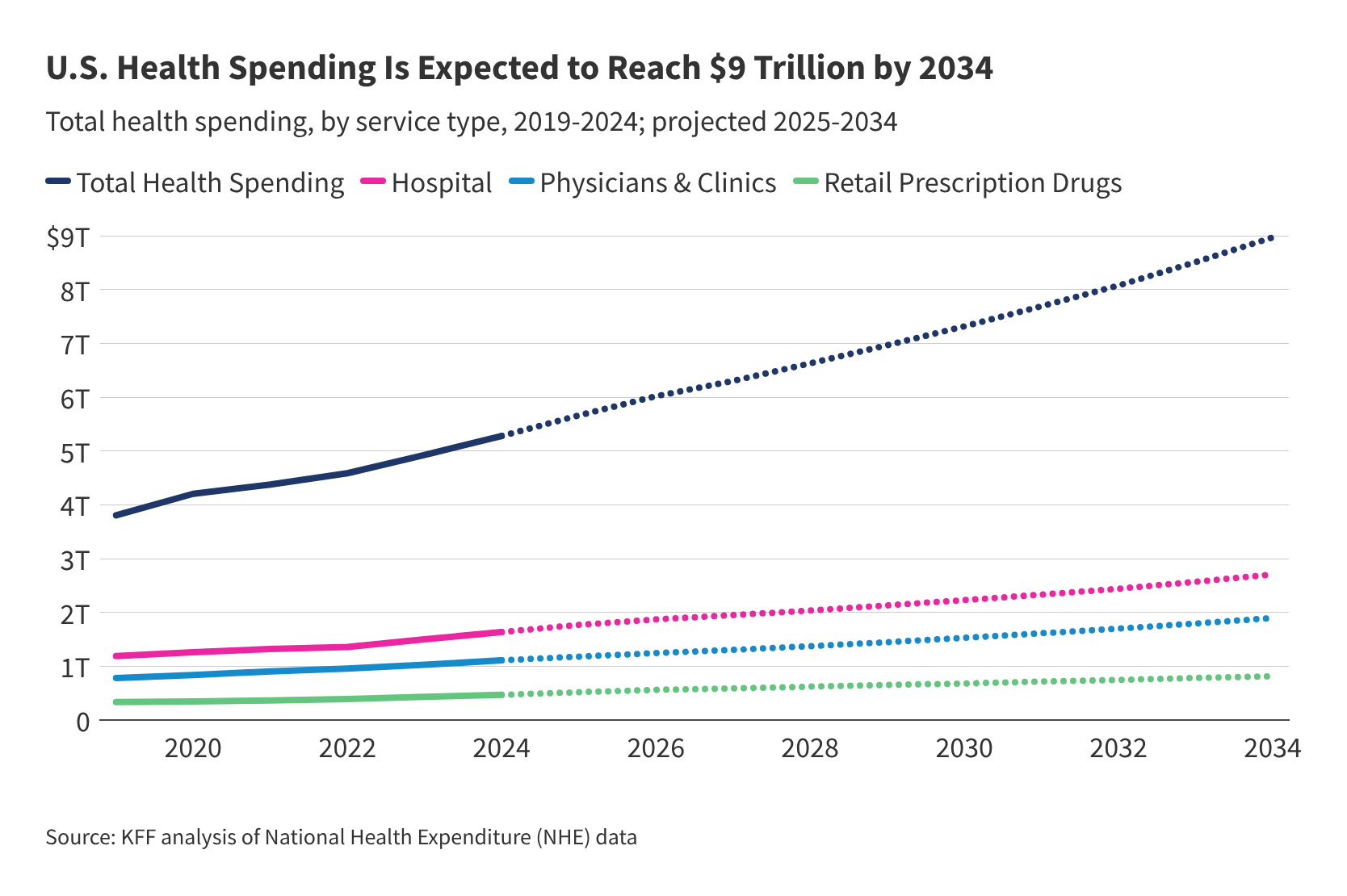
This chart collection explores how much health spending is expected to grow in the coming years, with a look at growth in prescription drug spending, out-of-pocket spending, and related trends.
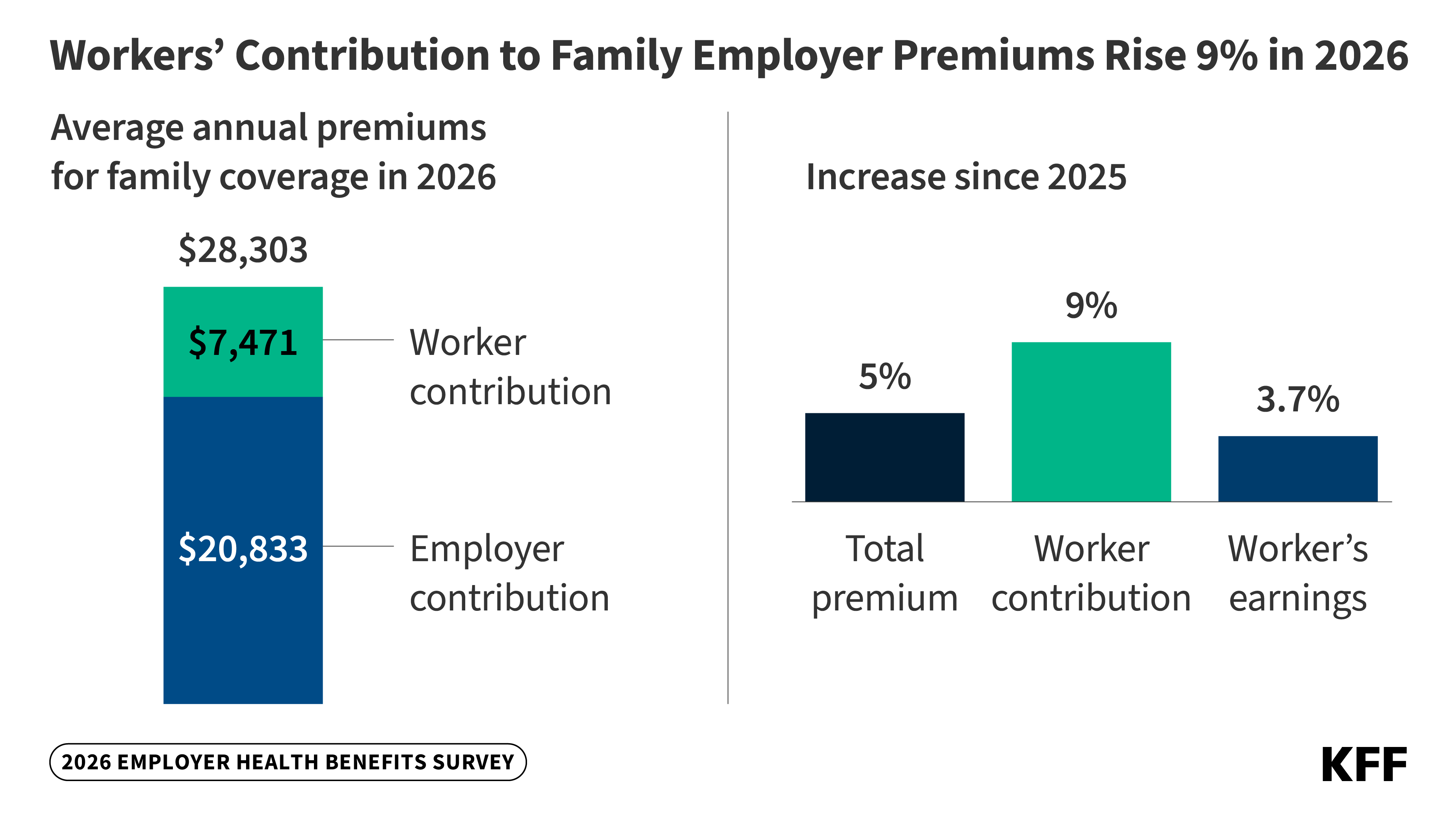
Workers are paying on average $7,471 annually toward the premiums for employer-sponsored family health benefits this year, which is up 9%, or $621, from 2025, per KFF’s annual benchmark health benefits survey of large and small employers. The burden of family premiums hits particularly hard for workers at small firms with less than 200 workers.
This is the 28th Employer Health Benefits Survey (EHBS) and reflects employer-sponsored health benefits in 2026. As in years past, the survey examines trends in employer coverage, including premiums, employee contributions, deductibles, offer rates, and employer practices. This year, we asked employers detailed questions about satisfaction with their health plans; coverage of GLP-1 agoni…
Since 1999, the Employer Health Benefits Survey has documented trends in employer-sponsored health insurance. Every year, private and non-federal public employers with 10 or more employees complete the survey.
This analysis takes a first look at how hospitals are reporting prices under updated federal hospital price transparency requirements that took effect in January 2026.
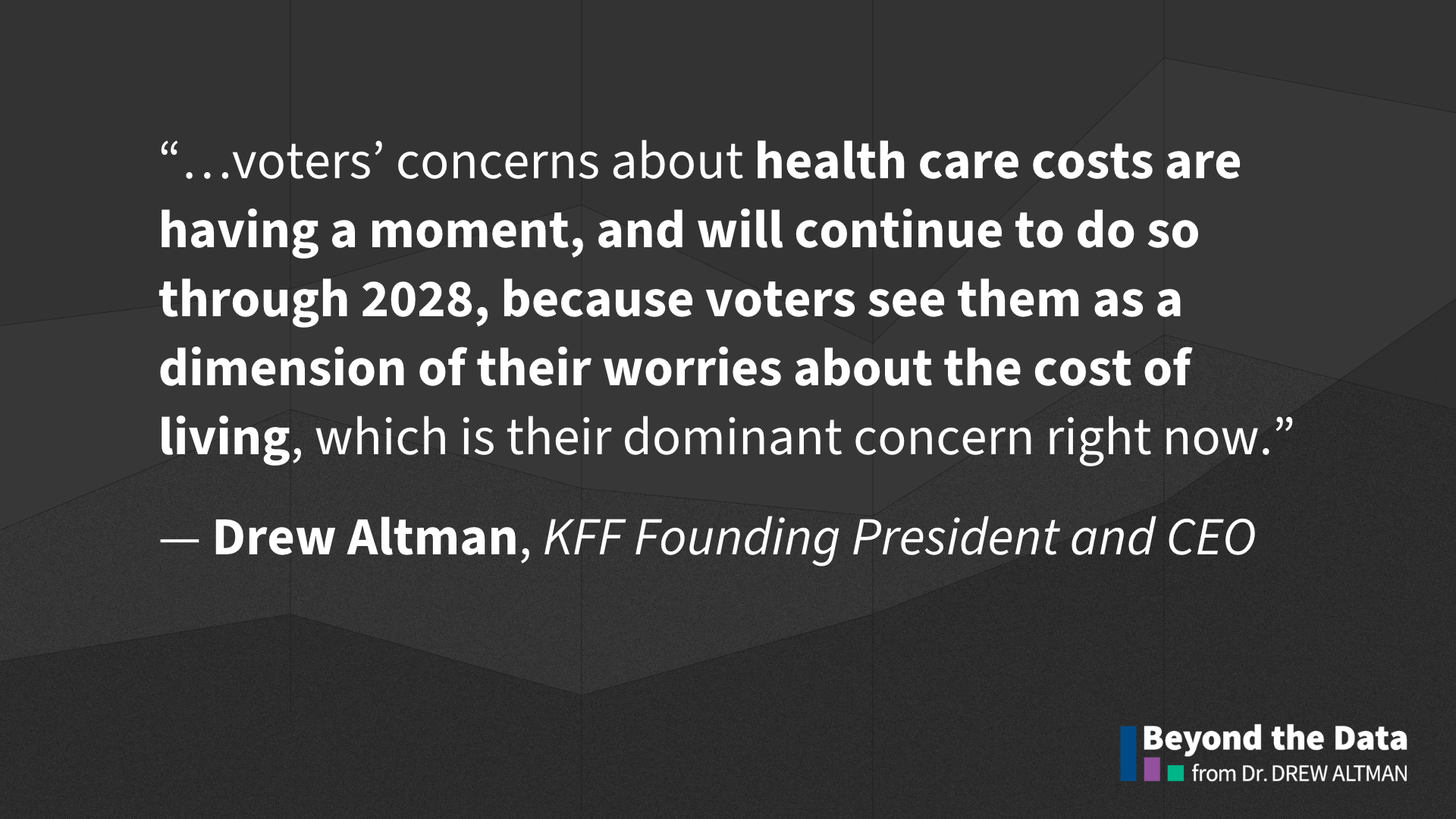
In a new column, President and CEO Dr. Drew Altman says health care costs are playing a significant role in the midterms as one dimension of voters’ concerns about cost of living, and explains why pollsters, analysts, and candidates should look at it that way, and not as a separate voting issue. He writes, “The ‘issue’ that matters most in this election is cost of living and the cost of…

With the 2026 midterms about a month away, health care costs remain tied with gas as voters’ top midterm concerns and the Democrats hold a clear edge over the Republicans Party on who voters trust to handle many top electoral issues, including the cost of health care and the cost of living. Two-thirds of U.S. adults now favor Medicare-for-all, a new high in KFF Polling, but support shift…
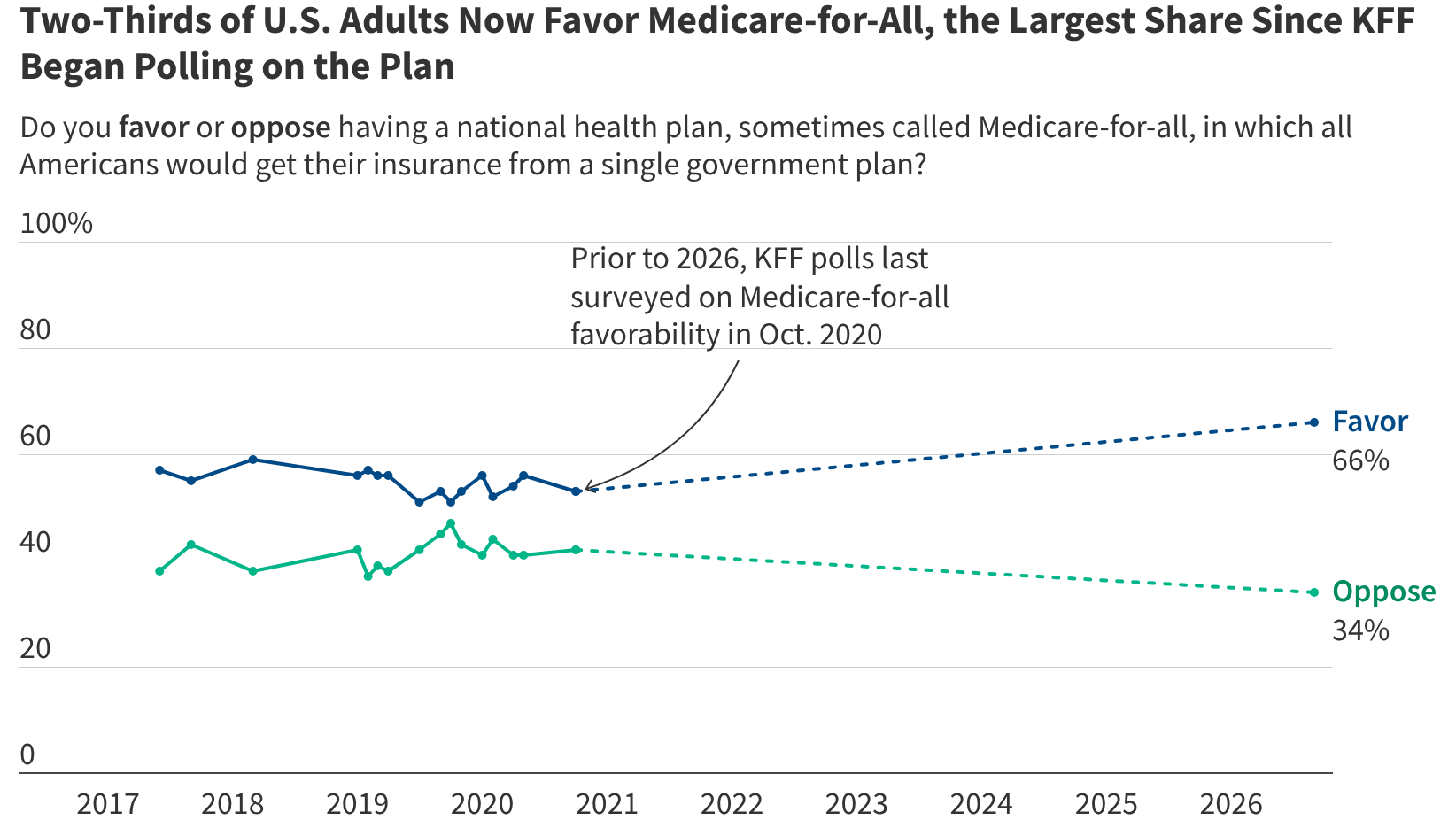
This chart pack summarizes KFF polling data on public opinion on Medicare-for-all and other national health plan proposals. The latest update finds that two-thirds of the public supports Medicare-for-all, while support changes drastically as respondents hear arguments from proponents and critics.